Relationships First
Every young person is matched with a consistent RESTA Specialist who stays. Trust is not a stage of our work — it is the whole foundation of it.
UK Alternative Provision
RESTA AP exists to break the cycle of disengagement by building resilience — so children and young people who are unable to access mainstream education gain the tools and belief to navigate whatever comes next. Through relationship-led development, trauma-informed practice and a bespoke, child-informed journey, we help every young person rebuild confidence and move towards a future they choose.

Overseen by an Educational Psychologist
Every young person's programme is supervised by our Clinical Lead.

Our philosophy
Most of the young people we meet have already been through timetable changes, behaviour plans and referrals. What has usually been missing is a consistent adult who understands them, holds steady on the hard days, and believes something better is possible.
So we start with the relationship. Everything else — engagement, learning, attendance, reintegration — is built on top of it, in that order, at the young person's pace.
Read our storyThe RESTA AP Difference
Not a philosophy on a wall. These are the decisions our RESTA Specialists make on a Tuesday afternoon when a young person does not want to come to the door.
Every young person is matched with a consistent RESTA Specialist who stays. Trust is not a stage of our work — it is the whole foundation of it.
We read behaviour as communication. Regulation, predictability and repair replace sanction, so young people are met rather than managed.
Learning happens where life happens: on walks, in libraries, in cafes, in gardens and workshops. Places that feel possible, not places that feel like school.
Parents and carers are partners, not spectators. We share what is working, listen to what is not, and keep families in the conversation throughout.
Small, real successes accumulate into self-belief. Progress is captured, named and celebrated so young people can see themselves differently.
We work towards a next step the young person actually wants — school, college, training or employment — and plan the handover carefully.
The RESTA Framework
Safety before connection. Connection before identity. Identity before autonomy. Autonomy before future planning. The framework gives schools and Local Authorities a clear, evidenced picture of progress.
I feel safe enough to engage.
I can trust the adults around me, and there is a place for me here.
I know who I am and what I bring.
My choices matter, and I can get through hard things.
I can see a future I want — and I'm supported to reach it, with three dedicated transition sessions to carry that plan into reality.
The learner journey
A paced journey rather than a placement. Families and referrers can see exactly where a young person is, and what comes next.
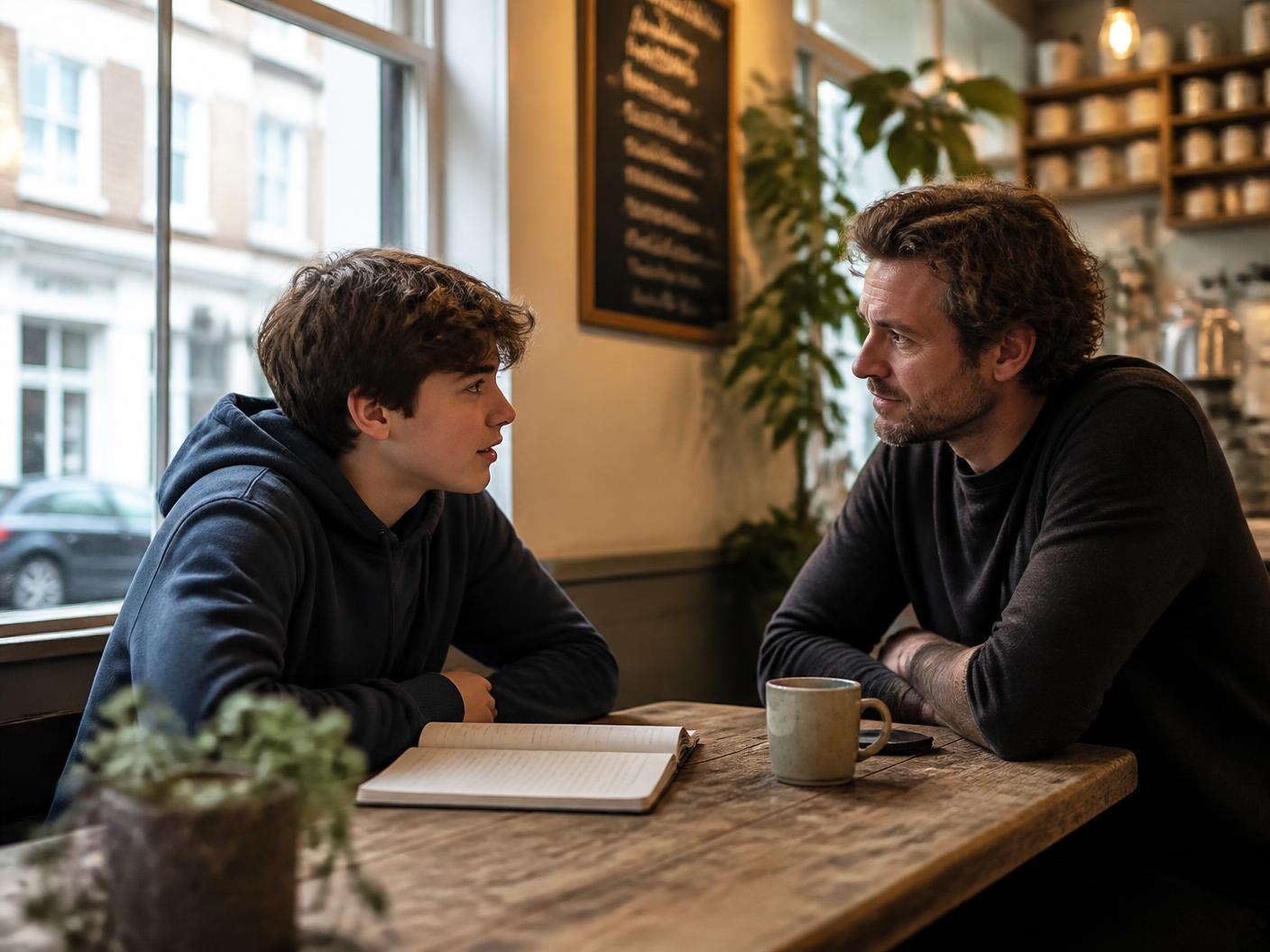
Referral
A school, Local Authority, social worker or family reaches out. We listen to the story before we look at any paperwork.
Initial assessment
A relational baseline explores strengths, interests, triggers and readiness before a minimum of 28 three-hour sessions, delivered individually 1:1, occasionally 2:1, with a RESTA Specialist.
Safety
Every young person starts here. A minimum of six sessions builds regulation strategies, trusted adults and predictable routines — the ground everything else is built on.
Connection & Belonging
A minimum of six sessions builds a consistent relationship with their RESTA Specialist and a sense of belonging within their family, setting and community.
Identity
Across a minimum of six sessions, the young person begins to describe themselves by strengths and interests rather than by what went wrong.
Autonomy
A minimum of six sessions develops real responsibility, real decisions, and the resilience to recover from difficulty without disengaging.
Future Planning
A minimum of four sessions prepares the next step. It includes a written handover, a learner portfolio with embedded AQA Unit Awards, and a transition planned with the young person, family and receiving setting.
Successful next step
The next step may be school, college, training or another appropriate setting. Each pathway can take more sessions as needed, with progress reviewed every six weeks through a half-term report.
The RESTA AP Programme
Every RESTA AP placement is built around the individual. Rather than offering separate services, we combine relationship-led development, trauma-informed practice, personalised support, family engagement and transition planning into one integrated programme that adapts to each learner's needs.
Every placement begins with trusted relationships that help young people feel safe, understood and ready to engage.
Our developmental framework recognises behaviour as communication and responds with consistency, curiosity and compassion.
Individual targets, flexible pathways and embedded AQA Unit Awards, designed around each young person.
Working alongside parents, carers and professionals to create consistent support around the young person.
Real-world experiences, life skills and meaningful opportunities that rebuild confidence and belonging.
Clear outcomes, regular reporting and carefully planned next steps towards education, employment or training.
Part of the Brimstone family
RESTA AP is part of Brimstone Psychology, an Educational and Child Psychology practice. The RESTA Framework was developed with Brimstone's Educational Psychologists, and our Specialists are supervised by an Educational Psychologist. Where a young person needs it, we can also draw on Brimstone for independent Educational Psychology assessment and consultation.
Visit Brimstone PsychologyTell us about the young person. We will be honest about whether we are the right fit, and we respond within two working days.